

Garlic Butter Shrimp and Rice: Easy One-Pan Dinner
This garlic butter shrimp and rice is an easy one-pan dinner that brings together tender shrimp, fluffy rice, garlic, butter, and simple seasonings. Everything cooks in one skillet, making it a convenient recipe for busy weeknights when you want a homemade meal without a sink full of dishes.
The garlic butter sauce gives the shrimp a rich, savory flavor while the rice absorbs the cooking juices as it becomes tender. A little fresh lemon juice and parsley at the end add brightness and balance to the dish.
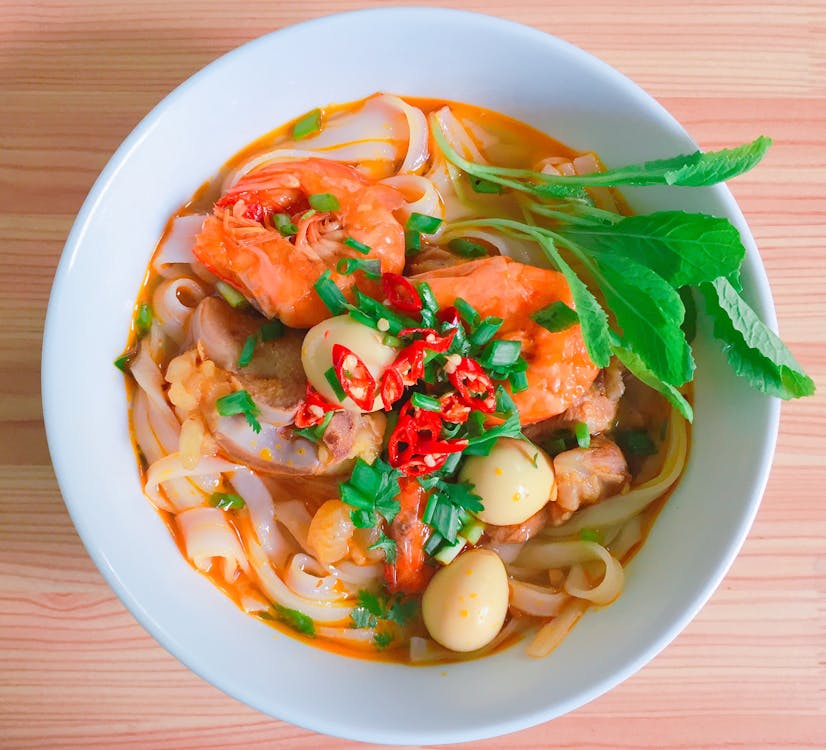
Image source: Pexels. The image is used as a general visual for a shrimp and rice dinner.
Why You'll Love This Garlic Butter Shrimp and Rice
This recipe is designed to keep dinner simple without sacrificing flavor.
- One-pan meal: The main ingredients cook in a single skillet.
- Quick preparation: Shrimp cooks quickly, making it useful for busy evenings.
- Simple ingredients: Garlic, butter, rice, shrimp, and everyday seasonings create most of the flavor.
- Full of flavor: Garlic butter, lemon, and herbs complement the shrimp and rice.
- Easy to customize: Add vegetables or adjust the seasonings according to your taste.
Ingredients You'll Need
- 1 pound large shrimp, peeled and deveined
- 1 cup long-grain white rice
- 2 tablespoons butter
- 1 tablespoon olive oil
- 4 cloves garlic, minced
- 2 cups low-sodium chicken or vegetable broth
- 1/2 teaspoon paprika
- 1/2 teaspoon salt
- 1/4 teaspoon black pepper
- 1/2 teaspoon dried Italian seasoning
- 1 tablespoon fresh lemon juice
- 2 tablespoons fresh parsley, chopped
How to Make Garlic Butter Shrimp and Rice
1. Prepare the Shrimp
If using frozen shrimp, thaw it completely and drain away any excess liquid. Pat the shrimp dry with paper towels.
Season the shrimp with paprika, salt, black pepper, and Italian seasoning. Toss gently so the seasoning coats both sides.
2. Rinse the Rice
Place the rice in a fine-mesh strainer and rinse it under cool running water until the water becomes relatively clear.
Allow the rice to drain well. Rinsing helps remove excess surface starch and can result in a lighter texture when the rice cooks.
3. Sauté the Shrimp
Heat a large skillet over medium-high heat. Add the olive oil and one tablespoon of butter.
Place the shrimp in the skillet in a single layer. Cook for about 1 to 2 minutes per side, just until the shrimp begin to turn pink and opaque.
Remove the shrimp from the skillet and place them on a clean plate. They will finish cooking later, so avoid overcooking them at this stage.
4. Cook the Garlic
Reduce the heat to medium and add the remaining tablespoon of butter to the same skillet.
Add the minced garlic and cook for about 30 seconds, stirring frequently. The garlic should become fragrant without turning dark brown.
5. Add the Rice and Broth
Add the rinsed rice to the skillet and stir it into the garlic butter for about 1 minute.
Pour in the broth and stir gently. Scrape the bottom of the skillet to loosen any flavorful browned bits left from the shrimp.
6. Simmer the Rice
Bring the liquid to a gentle boil. Reduce the heat to low and cover the skillet with a lid.
Cook according to the rice package directions, usually around 15 to 18 minutes for long-grain white rice. Avoid repeatedly lifting the lid because this allows steam to escape.
7. Return the Shrimp to the Pan
When most of the liquid has been absorbed and the rice is nearly tender, arrange the cooked shrimp over the rice.
Cover the skillet again and cook for another 2 to 3 minutes, or until the shrimp are fully cooked and the rice is tender.
8. Finish With Lemon and Parsley
Remove the skillet from the heat. Drizzle the fresh lemon juice over the shrimp and rice, then sprinkle with chopped parsley.
Gently fluff the rice with a fork and serve immediately.
Tips for the Best Shrimp and Rice
- Pat the shrimp dry: Removing excess moisture helps the shrimp brown instead of steaming.
- Do not overcook the shrimp: Shrimp cook quickly and can become rubbery when left on the heat too long.
- Use a wide skillet: A large cooking surface helps the rice cook more evenly.
- Keep the lid closed: Steam is important for cooking the rice properly.
- Use low-sodium broth: This gives you more control over the salt level.
- Add lemon at the end: Fresh lemon juice brightens the rich garlic butter flavor.
How to Tell When Shrimp Are Cooked
Shrimp change from translucent and gray to opaque as they cook. Properly cooked shrimp should be firm and opaque throughout.
Avoid relying only on color because shrimp can become overcooked quickly. For food safety, shrimp should reach an internal temperature of 145°F (63°C).
What Type of Rice Works Best?
Long-grain white rice is a convenient choice for this recipe because it cooks relatively quickly and produces separate grains.
You can also experiment with basmati or jasmine rice, but the amount of liquid and cooking time may need slight adjustments depending on the variety you use.
Brown rice generally requires more liquid and a longer cooking time, so it is better to use a recipe specifically designed for brown rice rather than substituting it without changing the cooking method.
Can You Use Frozen Shrimp?
Yes. Frozen shrimp are convenient and work well in this recipe. Thaw them completely before cooking and drain away excess moisture.
Pat the shrimp dry with paper towels before seasoning. This helps prevent excess water from entering the skillet and makes it easier to get some browning on the shrimp.
Easy Variations
Spicy Garlic Butter Shrimp and Rice
Add red pepper flakes or a little cayenne pepper to the seasoning for a spicy version. You can adjust the amount based on how much heat you prefer.
Garlic Butter Shrimp With Vegetables
Add vegetables such as peas, bell peppers, spinach, or chopped broccoli. Choose vegetables that cook in a similar amount of time or cook them separately before combining them with the rice.
Lemon Garlic Shrimp and Rice
Increase the amount of fresh lemon juice and add a little lemon zest at the end for a brighter citrus flavor.
Cheesy Shrimp and Rice
For a richer variation, stir a small amount of grated Parmesan into the finished rice after removing the skillet from the heat.
Cajun Shrimp and Rice
Replace the basic seasoning with your favorite Cajun seasoning. Check the salt level because some prepared Cajun seasonings already contain quite a bit of salt.
How to Store Leftover Shrimp and Rice
Transfer leftovers to an airtight container and refrigerate them promptly.
When reheating, add a small splash of water or broth before warming the rice. This can help prevent it from becoming too dry.
Reheat leftovers until they are hot throughout and avoid repeatedly reheating the same portion.
Can You Make This Recipe Ahead of Time?
This recipe is best served fresh because shrimp and rice can change texture after refrigeration and reheating. However, you can prepare some ingredients ahead of time.
The shrimp can be peeled and deveined, the garlic can be minced, and the seasonings can be measured in advance. This makes the actual cooking process faster when dinner time arrives.
Common Mistakes to Avoid
Overcooking the Shrimp
Shrimp cook quickly. Cooking them too long can make them firm and rubbery. Sear them briefly first and allow them to finish cooking with the rice.
Using Too Much Liquid
Different rice varieties require different amounts of liquid. Follow the cooking ratio appropriate for the rice you are using rather than adding extra broth without adjusting the recipe.
Lifting the Lid Too Often
Rice cooks through steam, so repeatedly opening the skillet releases heat and moisture. Keep the lid closed while the rice simmers.
Burning the Garlic
Garlic can burn quickly in a hot pan. Cook it briefly over medium heat and stir frequently.
Not Drying the Shrimp
Wet shrimp can release excess water into the skillet. Patting them dry before seasoning helps them cook more evenly.
Frequently Asked Questions
Can I use pre-cooked shrimp?
Yes, but pre-cooked shrimp should not be cooked for as long as raw shrimp. Add them near the end simply to warm them through, otherwise they can become tough.
Can I use brown rice?
Yes, but brown rice generally requires more liquid and a longer cooking time than white rice. Adjust the cooking method according to the specific rice package instructions.
Can I use vegetable broth instead of chicken broth?
Yes. Vegetable broth works well and can be used in the same general way as chicken broth.
Why is my rice still hard?
Rice can remain hard if there was not enough liquid, the heat was too high, or the cooking time was too short. Add a small amount of warm broth or water, cover the skillet, and continue cooking gently until the rice is tender.
Why did my shrimp become rubbery?
Shrimp are usually rubbery when they have been cooked too long. Because they cook quickly, remove them from the pan early and allow them to finish cooking briefly with the rice.
Can I add vegetables to this recipe?
Yes. Peas, spinach, bell peppers, broccoli, and other vegetables can be added. Choose vegetables that will not require significantly more cooking time than the rice and shrimp.
Final Thoughts
This garlic butter shrimp and rice recipe is a practical one-pan dinner with simple ingredients and plenty of flavor. The combination of buttery garlic, tender shrimp, fluffy rice, lemon, and fresh parsley makes a satisfying meal without complicated preparation.
For the best results, keep the shrimp from overcooking, use the correct liquid ratio for your rice, and keep the skillet covered while the rice cooks. Serve it fresh with an extra squeeze of lemon for an easy weeknight dinner.


